
Table of Contents
- Why Hidden Costs Derail Bathroom Renovations
- Understanding Unexpected Bathroom Renovation Costs
- Creating a Bathroom Renovation Quote Checklist
- Setting a Bathroom Renovation Contingency Budget
- Managing Bathroom Renovation Change Orders
- Cost-Saving Strategies Without Compromising Quality
- How to Protect Yourself During the Project
- Frequently Asked Questions
Last Updated: October 15, 2026
Why Hidden Costs Derail Bathroom Renovations
A bathroom renovation that starts at one price often ends at another, which is why understanding hidden costs bathroom renovation is essential. Contractors find water damage behind walls, code violations require fixes, and plumbing surprises emerge mid-project.
The real problem is that most homeowners don’t know how to anticipate the hidden costs bathroom renovation projects typically involve.
Understanding Unexpected Bathroom Renovation Costs
Bathroom renovations uncover problems that stay hidden until work begins. The sections below group the most common surprises by where they surface, behind walls, under the floor, and inside the permit process, so you can audit a quote against each category before signing.
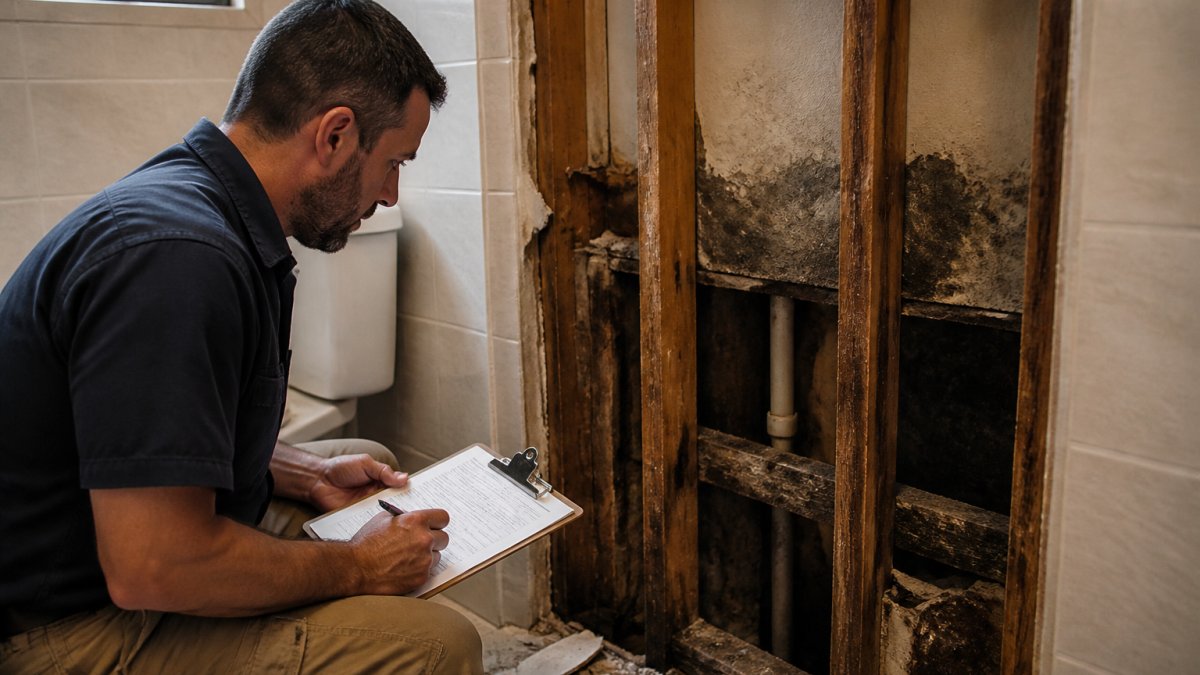
Concealed water damage and plumbing issues
Water damage is the most common surprise in bathroom renovations.
When a contractor finds rotted wood or mold, it must be fixed, ignoring it lets the problem spread.
Plumbing surprises happen just as often. Old pipes corrode, connections fail, and outdated layouts complicate new configurations.
Ask the contractor upfront whether they’ve spotted water damage or plumbing concerns during the walkthrough.
Permits, inspections, and code compliance
Permits are one of the most predictable “hidden” costs because they’re knowable before demolition. In most Canadian jurisdictions, a building permit is typically required when you:
- Move, add, or remove plumbing fixtures or drain lines
- Relocate or add electrical circuits, outlets, or a ventilation fan
- Alter structural framing, load-bearing walls, or floor joists
Cosmetic-only work, swapping a vanity, painting, retiling over sound substrate, replacing a toilet in the same spot, often does not require a permit, but the line varies by municipality. Confirm with your local building department.
Inspections follow permits: a rough-in inspection (framing, plumbing, and electrical before walls close), a waterproofing or tile inspection in some jurisdictions, and a final inspection.
Common code issues that surface during inspection include:
- Ventilation fans that don’t meet current airflow or ducting standards
- Electrical outlets placed too close to water sources or missing GFCI protection
- Inadequate waterproofing behind tile in wet zones
A renovation can trigger a code review of the entire bathroom, not just the part you’re changing. A bathroom that was “fine to live in” may not pass inspection once a permit is pulled. Budget for at least one correction item you didn’t plan for.
A practical permit and inspection checklist
Use this checklist when comparing contractor quotes. If a quote is silent on any line, ask before signing.
- Who pulls the permit? Some contractors include it; some expect the homeowner to file. Confirm in writing.
- Which permits are included? Building, electrical, and plumbing permits are sometimes separate.
- Are inspection fees included or billed separately? Re-inspection fees are a common surprise.
- Who is the contractor of record on the permit? This affects warranty and liability.
- What happens if an inspection fails? Who pays for the correction and the re-inspection?
- Are engineer drawings required? Structural changes usually need them, and they are a separate cost.
- What is the expected inspection schedule? Delays between inspections add days to the project.
Structural surprises behind walls
Walls hide structural problems. Rot spreads in hidden spaces. Floor joists weaken. Framing shifts over decades. You won’t know until walls come down.
Structural repairs are expensive because they’re urgent. You can’t finish a renovation with compromised framing.
Ask your contractor whether they see structural concerns, request photos, and understand what fixing it will cost before work continues.
Creating a Bathroom Renovation Quote Checklist
A detailed quote lists every item, cost, and assumption, so when something unexpected happens it’s clear whether it’s a change order or part of the original scope.
What to ask before signing
Before you sign an agreement, ask these questions:
- What’s included in the demolition? Does the contractor remove all old materials, or do you?
- What happens if they find water damage? Is there a limit on repair costs?
- Are permits and inspections included in the quote, or are they extra?
A good contractor answers every question clearly and in writing. Vague answers are a red flag.
Red flags in contractor estimates
Some contractor estimates hide problems. Watch for these warning signs:
- Vague line items. “Fixtures” is too broad. You need specific brands and models.
- No breakdown. A single number for “labor” tells you nothing. Good estimates separate demolition, plumbing, electrical, tile, finishing, and cleanup.
- No mention of permits. If permits aren’t listed, they might be added later as a surprise.
Request detailed quotes from multiple contractors and compare line by line. The lowest price isn’t always the best deal, a detailed quote from a contractor who explains their process beats a cheap estimate with no detail.
Setting a Bathroom Renovation Contingency Budget
A contingency is money set aside for surprises, a realistic buffer based on what typically happens in bathroom renovations, best broken into line items rather than one lump sum.
A contingency of the total project budget covers the majority of concealed-damage surprises. The higher end applies to older homes, homes with cast iron or galvanized plumbing, and bathrooms untouched in decades.
A line-item contingency budget for concealed damage
Instead of one contingency number, split it across the categories where surprises actually occur. This makes it obvious when a category is being drained and forces a conversation before the money runs out.
| Contingency category | Typical trigger | How to size it |
|---|---|---|
| Subfloor and framing repair | Rot, soft spots, cracked joists found after tile removal | Scale with the age of the home and any prior leaks |
| Plumbing replacement | Galvanized or cast iron lines that fail pressure testing | Higher if the home predates modern copper or PEX |
| Electrical correction | Missing GFCI, undersized circuits, aluminum wiring | Higher in older homes or where prior work was unpermitted |
| Waterproofing remediation | Failed or missing membrane behind existing tile | Almost always needed when tile is removed to the studs |
| Permit and inspection overruns | Re-inspection fees, engineer drawings, scope changes | Small but non-zero; keep a dedicated slice |
| Material and lead-time variance | Backordered tile, discontinued fixtures, price changes | Sized to the value of long-lead items |
Ask your contractor to price each contingency category as a range, not a single number. A range of “1,500 to 4,000 CAD for subfloor repair” is more honest than a flat figure and helps you plan for the worst case.
How to track contingency spending
Contingency only works if you track it. Keep a simple log with four columns: date, category, amount spent, and what it covered. Update it every time a change order is approved. When a category hits its ceiling, stop and re-plan before spending from another category.
Two rules keep contingency honest:
- Contingency is not an upgrade fund. A heated towel rack, a freestanding tub, or upgraded tile is a change order, not a contingency use. If you want it, fund it separately.
- Contingency is not a slush fund for the contractor. Every draw from contingency should be tied to a documented finding, a photo, an inspection note, or a written change order.
What contingency does not cover
Contingency is for surprises, not known costs. It should not cover:
- Items that were excluded from the original quote and known in advance
- Upgrades or design changes you initiate mid-project
- Delays caused by material lead times you could have checked upfront
- Work the contractor should have included in the base scope
If a cost was foreseeable, it belongs in the base budget, not the contingency. Keeping that line clean makes the contingency useful when a real surprise appears.
Schedule contingency, not just money
Concealed damage and inspection failures also cost time. Build a schedule buffer of several days into the project plan, especially around the rough-in and waterproofing stages where inspections gate the next phase. A bathroom out of service for an extra week has a real cost, temporary arrangements, disrupted routines, and sometimes added labor from a crew waiting on a re-inspection.
Managing Bathroom Renovation Change Orders
A change order is a written request to change the scope of work, when you want something different, or when unexpected costs emerge.
Change orders should include:
- What’s changing (be specific)
- Why it’s changing
- The cost of the change
- How it affects the timeline
Never approve a change order verbally. Verbal agreements lead to disputes about what was agreed and what it cost.
Common change orders in bathroom renovations:
- Upgrading fixtures or materials mid-project
- Discovering damage that needs repair
- Changing the layout or design
- Adding electrical outlets or ventilation
Each change order adds time and cost, so limit them to true necessities. Every mid-project upgrade delays completion and uses contingency money.
Cost-Saving Strategies Without Compromising Quality
You can control costs without sacrificing durability or function. Smart choices save money without creating problems later.
Keeping the existing plumbing layout
Moving plumbing is expensive, new pipes, connections, vents, and inspections add significant cost. If your plumbing works and the layout is functional, keep it.
You can still upgrade fixtures, replace the toilet, sink, and tub with new models in the same locations for a fresh bathroom without rerouting pipes.
Ask your contractor: “What’s the cost difference between keeping the plumbing layout and moving it?” The answer often makes the decision clear.
Choosing durable materials within budget
Quality materials last longer and cost less over time. A cheap tile that cracks in five years costs more than durable tile that lasts twenty. But expensive doesn’t always mean better.
Focus spending on items that take the most wear:
- Flooring and wall tile in wet areas
- Grout and sealant (these prevent water damage)
- Ventilation fans (a cheap fan fails early)
- Faucets and fixtures (they’re used daily)
Save money on items that don’t wear as fast:
- Paint (it’s cheap to refresh)
- Lighting fixtures (they’re easy to replace)
- Trim and hardware (they’re affordable)
- Mirrors and accessories (style changes anyway)
A contractor who knows your budget can recommend materials that balance cost and durability. Ask directly: “What would you choose if this was your home?”
Reusing or refinishing existing fixtures
A solid bathtub or vanity can be refinished instead of replaced. Refinishing costs a fraction of replacement.
Not every fixture can be refinished. Ask your contractor whether your existing pieces are candidates, get a refinishing quote, and compare it to replacement cost, often, refinishing wins.
Old tile can sometimes be cleaned and resealed instead of replaced. Old wood vanities can be refinished. These approaches save money when the underlying structure is sound.
How to Protect Yourself During the Project
Protection starts before work begins and continues through completion.
Get everything in writing, the estimate, timeline, warranty, payment schedule, and any special agreements.
Ask about the warranty, how long it covers, what’s included, what’s excluded.
Inspect work regularly.
Understand the payment schedule before signing. Don’t pay in full upfront.
Ask for references. Call recent clients.
Bathroom renovations don’t have to be nightmares.
When you work with Bathroom Renovators, we handle these details for you.
Frequently Asked Questions
How can I avoid hidden costs in a bathroom renovation?
Start with a detailed written estimate that itemizes labor, materials, and fixtures. Ask your contractor specifically about permits, inspections, and potential concealed damage. Set aside 15-20% of your total budget as a contingency fund for surprises. Request a clause that caps unexpected costs or requires your approval before work exceeds the estimate. Get everything in writing, including what happens if structural issues are discovered once demolition begins.
What should a bathroom renovation quote checklist include?
Your checklist should cover labor costs by phase, all materials and fixtures with specific brands and grades, permit and inspection fees, disposal and cleanup, waterproofing and ventilation upgrades, plumbing and electrical work, and a timeline with completion dates. Ask whether the quote includes a warranty, how change orders are handled, and what happens if hidden damage is found. Request references from recent projects and clarify payment terms and cancellation policies.
How much contingency should I plan for a bathroom renovation?
Set aside 15-20% of your total renovation budget as a contingency fund. For older homes or those with known plumbing or water damage issues, consider 20-25%. This buffer covers concealed damage, code violations, structural surprises, and minor design changes. Document this contingency separately in your contract so both you and your contractor understand it’s reserved for genuine unforeseen costs, not scope creep.
What unexpected problems can increase bathroom renovation costs?
Common surprises include hidden water damage, outdated or corroded plumbing that needs replacement, mold behind walls, structural issues requiring reinforcement, code violations discovered during inspection, ventilation upgrades required for moisture control, electrical work for new lighting or heated floors, and asbestos or lead paint in older homes. Permits and inspections can also add costs if not budgeted upfront. A thorough pre-renovation inspection and detailed contractor estimate help identify many of these before work begins.
