
Table of Contents
- 10 Signs You Need a Bathroom Renovation
- Distinguishing Cosmetic Wear From Urgent Repair Needs
- Bathroom Renovation vs Repair: How to Decide
- Your Bathroom Renovation Checklist Before You Commit
- Understanding the Bathroom Renovation Timeline
- Accessibility, Efficiency, and Changing Household Needs
- Conclusion
- Frequently Asked Questions
Last Updated: October 8, 2026
10 Signs You Need a Bathroom Renovation
A bathroom renovation updates a bathroom’s plumbing, surfaces, fixtures, and layout to fix damage, restore function, and modernize the space.
Most homeowners wait too long.
Most guides get this wrong: they treat every cracked tile as a renovation trigger. Some wear is cosmetic, some is a warning, and knowing the difference saves you money and stress.
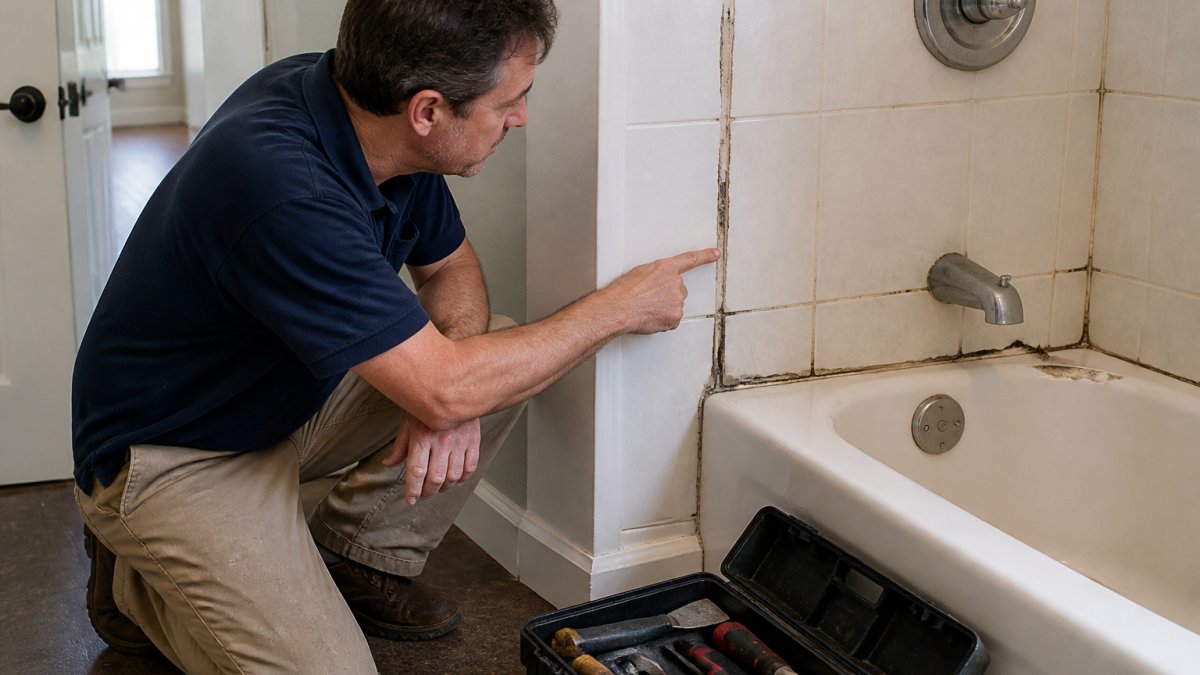
Signs 1-5: Water, Mold, and Structural Warning Signs
Water damage sits at the top of the list because it spreads. These five signs point to moisture problems that get worse over time:
- Soft or spongy flooring. If the floor gives under your feet near the toilet or tub, water has likely reached the subfloor.
- Stained or bubbling walls. Brown rings and peeling paint mean moisture is trapped behind the surface.
- Mold or mildew on grout and walls. Recurring mold, especially near the shower, signals poor ventilation or a hidden leak.
- A dripping or leaking toilet base. Water pooling at the base points to a failed seal or a cracked flange.
- Persistent musty smell. A smell that never clears usually means mold is growing somewhere you can’t see.
Any one of these can mean rot in the framing. Two or more together almost always means it’s time for a bathroom renovation.
Signs 6-10: Function, Layout, and Efficiency Warning Signs
The second half of the list is about how the room works day to day. These signs build up slowly, so many people adapt instead of fixing them:
- Outdated fixtures and finishes. Corroded taps, chipped tile, and worn vanity tops are more than ugly. They often hide failing seals.
- Recurring repairs. If you’ve called someone out two or three times in a year, you’re paying for the same problem twice.
- A cramped, impractical layout. A door that hits the vanity or a toilet squeezed against a wall makes the room feel smaller than it is.
- Limited storage. No place for towels or toiletries pushes clutter into every corner.
Treating these as separate small jobs is a mistake, they usually share one cause: the room has reached the end of its service life.
Distinguishing Cosmetic Wear From Urgent Repair Needs
Cosmetic wear is surface damage that doesn’t affect safety or structure. Urgent repair needs involve water, mold, or structural failure and should be handled right away.
Here’s how to sort them:
| What You See | Type | What To Do |
|---|---|---|
| Faded grout, dull caulk | Cosmetic | Recault and clean |
| One chipped tile | Cosmetic | Replace the tile |
| Soft floor near toilet | Urgent | Stop using it and call a pro |
| Mold that keeps returning | Urgent | Find the moisture source |
| Cracked or loose toilet | Urgent | Repair before it leaks |
| Dated but solid fixtures | Cosmetic | Plan an upgrade |
The rule we use on site: if water is involved or the structure moves, it’s urgent. If it’s only appearance, it can wait.
Painting over a water stain without finding the leak traps moisture inside the wall. The stain returns within weeks, and the framing keeps rotting the whole time.
Bathroom Renovation vs Repair: How to Decide
The choice between a bathroom renovation vs repair comes down to scope, timing, and what’s hiding behind the surface. A repair fixes one visible problem. A renovation replaces the worn systems behind the walls, plumbing, waterproofing, subfloor, ventilation, so the problem doesn’t come back.
If the issue is contained, surface-level, and the underlying systems are sound, repair it. If it’s spreading, recurring, or tied to infrastructure past its service life, renovate.
The Four-Question Framework
Work through these in order. The first “yes” on the right side usually tips the decision toward renovation:
| Question | Repair Signal | Renovate Signal |
|---|---|---|
| Is the damage in one spot or spread across the room? | One spot | Two or more areas |
| Are the pipes, subfloor, and waterproofing still sound? | Sound | Cracked, soft, or unknown |
| Have you repaired the same issue more than once? | First time | Second or third time |
| Does the layout still fit how your household lives? | Yes | No, door swing, storage, or accessibility is wrong |
If you answered “one spot” and “still sound,” a repair may be enough. If you answered “spread out” or “repaired before,” a renovation usually costs less over time because you stop paying for the same failure twice.
The Hidden-Damage Multiplier
A common pattern: a homeowner calls about a loose tile, and once it comes up, the subfloor is soft, the framing behind the shower is stained, and the waterproofing membrane has failed.
This is why the repair-vs-renovate decision often can’t be made until a wall or floor is opened. Ask any bathroom-renovator what happens if they open a wall and find rot.
Ask your renovator to include a contingency line in the scope, a set amount reserved for hidden damage. If the wall opens clean, that amount stays unspent. If it doesn’t, you’ve already agreed on how it’s handled.
When Repair Is the Right Call
Repair makes sense when:
- The damage is cosmetic or isolated (one cracked tile, dull caulk, a worn tap)
- The underlying plumbing, subfloor, and waterproofing are confirmed sound
- The layout works for your household and isn’t changing
- You’re planning a full renovation within the next year or two anyway and just need to stop a small leak
When Renovation Is the Right Call
Renovation makes sense when:
- Water damage has reached the subfloor, framing, or ceiling below
- Mold keeps returning after cleaning
- The same fixture or drain has been repaired more than once
- The plumbing or electrical is outdated and can’t support modern fixtures
The Cost-Over-Time Test
Add up what you’ve spent on repairs in the last two years. If that total approaches what a focused renovation would cost and the underlying cause hasn’t been fixed, the repair path is losing money.
A bathroom renovation near me search usually turns up contractors who can assess this in person. Before you commit, ask them to walk through the four questions above with you and put their answers in writing.
Your Bathroom Renovation Checklist Before You Commit
A bathroom renovation checklist keeps the project on track before anyone picks up a tool. Work through it in order:
- Inspect the floor, walls, and ceiling for stains or soft spots
- Test the fan and check for window ventilation
- Measure the full bathroom footprint, including door swing
- List what you need: storage, seating, grab bars, better lighting
That last step matters. Ask to speak with someone whose bathroom was finished in the last year or two.
Understanding the Bathroom Renovation Timeline
A bathroom renovation timeline covers planning, demolition, rough-in, waterproofing, tiling, fixture install, and final cleanup. Skipping or rushing any stage causes callbacks.
Here’s how the stages normally run:
- Planning and design. Choose materials and confirm the layout.
- Demolition. Remove old fixtures, tile, and drywall.
- Rough-in. Update plumbing and electrical while walls are open.
- Waterproofing. Seal the shower and wet areas before tile goes down.
- Tiling and finishing. Set tile, grout, and install fixtures.
- Completion. Test everything, clean up, and walk through the result.
The waterproofing stage is where shortcuts hurt most. A rushed seal shows up as a leak months later.
The stage that decides whether a renovation lasts is the one you never see: waterproofing behind the tile.
Accessibility, Efficiency, and Changing Household Needs
Accessibility and efficiency are two reasons homeowners renovate before anything breaks. A bathroom that works for a toddler may not work for an aging parent, and water use adds up year after year.
Accessibility: Designing for Every Stage
Disabled bathroom renovations and aging-in-place upgrades are among the fastest-growing reasons homeowners call a renovator. The goal is a bathroom that works today and can adapt later without a second tear-out.
Key features and what they solve:
- Curbless showers remove the step that trips people up. They also make the room feel larger and are easier to clean.
- Grab bars and blocking in the walls let you add support later without tearing out tile. Blocking is the hidden wood framing that gives grab bars something to anchor into, it costs little to add during a renovation and saves a full rebuild later.
- Comfort-height toilets are easier to use for all ages and reduce strain on knees and hips.
- Slip-resistant flooring matters more in wet areas than most homeowners realize. Textured tile or vinyl with a higher coefficient of friction reduces falls.
If anyone in the household has mobility concerns, plan for these now. Retrofitting later means removing tile, opening walls, and redoing waterproofing, the most expensive parts of any renovation.
Efficiency: When Old Fixtures Justify an Upgrade
An old toilet or showerhead wastes water every single day. Here’s how to tell when efficiency alone justifies a renovation:
- Toilets: Older models can use far more water per flush than modern high-efficiency models. If your toilet predates the 1990s, it’s likely a candidate. A running or frequently-repaired toilet is an even stronger signal.
- Showerheads: Older showerheads can flow at rates well above current standards. A low-flow showerhead cuts water use without changing how the shower feels.
- Lighting: Incandescent bulbs in a bathroom generate heat and burn out fast. LED replacements last years longer and use a fraction of the electricity.
- Ventilation: A weak or noisy exhaust fan doesn’t clear moisture. That moisture feeds mold, peels paint, and damages framing. A properly sized fan, matched to the room’s volume, is one of the highest-value upgrades in any bathroom.
Ventilation and Indoor Air Quality
Ventilation connects accessibility, efficiency, and damage prevention. A fan that runs too quietly to hear may be moving almost no air, and one too small for the room leaves condensation on mirrors and walls after every shower.
Signs your ventilation is failing:
- Mirrors and walls stay wet long after a shower
- Paint peels or bubbles near the ceiling
- Mold returns on grout or caulk within weeks of cleaning
- The room feels humid hours after use
A bathroom-renovator can measure your fan’s actual airflow and recommend a replacement sized to the room, a small upgrade that prevents the moisture problems driving larger renovations.
Planning for What’s Coming
Designing for changing needs now avoids a second renovation later. Whether you’re planning for a parent, a child, or your own future, the features above cost far less to include during a renovation than to add afterward.
Accessibility and efficiency upgrades are cheapest when they’re part of a renovation and most expensive when they’re retrofitted. Plan for both before the walls close.
Conclusion
The signs in this list rarely appear alone. By the time you notice two or three, water or wear has usually been working behind the walls for a while. At Bathroom Renovators, we handle both simple refreshes and complex, custom-designed renovations, complete projects in 7-10 days, and back our work with a 1-year warranty. We show up on time and clean up after ourselves.
Frequently Asked Questions
How do I know if my bathroom needs a renovation?
Look for recurring leaks, mold on grout or walls, soft or discolored flooring, and fixtures that no longer work reliably. If you are repairing the same issue more than twice in a year, or if the layout makes the space hard to use, a bathroom renovation usually costs less over time than repeated patch jobs. A professional assessment can confirm whether the problem is surface-level or structural.
When should I renovate instead of repairing a bathroom?
Repair makes sense for isolated, surface-level problems like a single chipped tile or a worn faucet. Renovate when damage is widespread, when moisture has reached the subfloor or wall cavity, or when the bathroom no longer meets your household’s needs. If the bathroom renovation vs repair decision feels close, get a professional opinion before spending on another round of temporary fixes.
How long does a bathroom renovation take?
A focused bathroom renovation can be completed in 7-10 days when the scope is well-defined and materials are ready before work starts. Larger projects involving layout changes, moving plumbing, or structural work take longer. A realistic bathroom renovation timeline should be confirmed in writing before you commit, and any reputable renovator will explain what could extend it.
Can mold or recurring leaks mean a bathroom needs renovation?
Yes. Mold that returns after cleaning and leaks that keep coming back usually point to moisture trapped behind tiles, in the subfloor, or around the shower pan. Surface repairs will not fix the source. A bathroom renovation that addresses waterproofing, ventilation, and damaged materials is the lasting solution, and it protects the rest of your home from water damage.
