
Table of Contents
- Freestanding Bathtub Styles: The Modern Centerpiece
- Alcove and Built-In Tubs: Space-Efficient Classics
- [Small Bathroom Bathtub Ideas: Making Every Inch Count](#small-bathroom- bathtub-ideas-making-every-inch-count)
- Bathtub Materials Comparison: Acrylic, Fiberglass, and More
- Clawfoot and Traditional Tub Designs
- Bathtub and Shower Combo Ideas for Modern Bathrooms
- Soaking and Specialty Tubs: Spa-Like Relaxation
- [Choosing the Right Bathtub Style for Your Renovation](#choosing-the-right- bathtub-style-for-your-renovation)
Last Updated: October 20, 2026
Freestanding Bathtub Styles: The Modern Centerpiece
A freestanding bathtub has become the signature element of contemporary bathroom design, anchoring the room with visual impact and creating that spa-like retreat homeowners crave.
Their appeal is flexibility: position them centered in the room, against a feature wall, or near a window. Unlike built-in options, they need no structural changes or perimeter tile work, so installation is faster and less complicated.
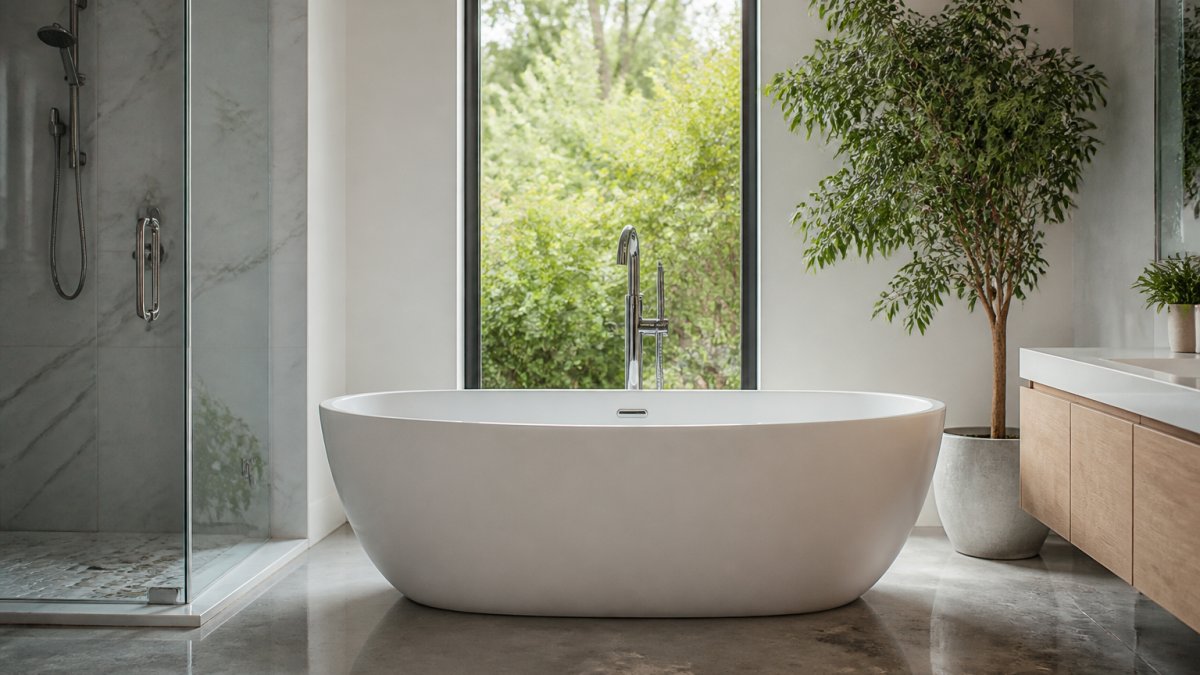
The trade-off is plumbing. Freestanding tubs need exposed drain and supply lines, so plan the layout carefully. At Bathroom Renovators, we recommend positioning them where plumbing already exists or can run cleanly along the wall, keeping installation on schedule.
Materials vary. Acrylic freestanding tubs are lightweight and affordable; cast iron or stone cost more but deliver a luxury hotel aesthetic and superior heat retention; solid surface materials like Corian offer a durable, warm middle ground that’s easier to install than stone.
Measure your doorway before selecting a freestanding tub. Many of these units are large enough that they won’t fit through standard bathroom doors once assembled. Discuss this during the design phase to avoid costly surprises.
Alcove and Built-In Tubs: Space-Efficient Classics
An alcove bathtub fits snugly into a three-wall recess, making it the workhorse of smaller bathrooms. It’s practical, cost-effective, and has remained the standard for decades because it works.
Built-in tubs sit flush against walls, often with tile or surround panels on three sides. They’re typically acrylic or fiberglass, easy to clean and durable for daily family use. Installation is straightforward: the tub sits on a support frame, drains connect to existing lines, and the surround is finished to match your design.
For renovators on tight timelines, alcove tubs integrate seamlessly with shower combinations and require minimal structural planning, so installation stays predictable and quick.
The limitation is visual impact: an alcove tub doesn’t make a design statement the way a freestanding piece does. But in a compact bathroom where function beats aesthetics, it remains the most sensible choice.
Alcove tubs work best in bathrooms under 50 square feet where every inch counts. They maximize usable floor space while keeping plumbing simple.
Small Bathroom Bathtub Ideas: Making Every Inch Count
Small bathrooms demand creativity. The best bathtub styles for modern bathroom remodels in tight spaces combine practicality with visual tricks that make the room feel larger.
Corner bathtubs tuck into the corner, freeing wall space and creating the illusion of a larger footprint. Many measure 60 inches or smaller, fitting where a standard alcove tub would dominate. Paired with a frameless glass shower door, they keep sightlines open and the space airy.
Soaking tubs work in small bathrooms if you prioritize the tub experience. A compact Japanese-style soaking tub (approximately 1.2 to 1.4 meters long) uses vertical depth instead of floor area, delivering a luxurious soak without the sprawl. Pair it with a shower niche or wall-mounted showerhead for a spa-inspired bathroom in minimal square footage.
Another approach: a tub-and-shower combo proportioned for smaller spaces. A 5-foot alcove unit with a shower enclosure above gives you both functions in a standard-layout footprint, the most practical solution for families who need both but lack space for separate fixtures.
The key is honest assessment. In a genuinely small bathroom, a freestanding soaking tub will overwhelm the room and hinder navigation, so work with your renovator on actual dimensions and traffic flow before committing.
Bathtub Materials Comparison: Acrylic, Fiberglass, and More
The material you choose affects durability, maintenance, cost, and how the tub feels underfoot and to the touch.
| Material | Durability | Heat Retention | Maintenance | Best For |
|---|---|---|---|---|
| Acrylic | 10-15 years | Good | Easy cleaning | Budget-conscious families |
| Fiberglass | 8-12 years | Fair | Prone to cracking | Quick renovations |
| Cast Iron | 25+ years | Excellent | Regular cleaning | Long-term investment |
| Stone/Marble | 20+ years | Excellent | Specialized care | Luxury bathrooms |
| Solid Surface | 15-20 years | Good | Easy maintenance | Mid-range remodels |
Acrylic is the industry standard: lightweight, affordable, and warm to the touch, ideal for families and rental properties. It resists staining and cleans easily, though it can crack under impact.
Fiberglass is less durable than acrylic, prone to cracking and soft spots over time. We recommend it only for temporary solutions or properties where durability isn’t the priority.
Cast iron is the premium choice: incredibly heavy, exceptional at retaining heat. It requires professional installation due to weight, but if you’re staying long-term and want a tub that outlasts you, cast iron delivers.
Stone and marble create a luxury aesthetic but require specialized maintenance: they’re porous, needing sealing and pH-neutral cleaning. They work beautifully in high-end remodels but demand commitment to upkeep.
Solid surface materials like Corian offer a practical middle ground: durable, warm, and easy to maintain, blending aesthetics with reliability in many modern bathroom designs.
Avoid fiberglass tubs in high-traffic family bathrooms. The material degrades quickly and repairs are costly. Acrylic or cast iron are better investments.
Clawfoot and Traditional Tub Designs
Clawfoot tubs evoke vintage charm and have seen a genuine resurgence in contemporary design. Sitting on four ornamental legs, they create an open, airy appearance that works in both traditional and eclectic modern spaces.
The appeal is partly practical: because the tub sits on legs, you can clean the floor underneath. Exposed plumbing also becomes part of the design, so polished brass or chrome fittings read as decorative elements rather than hidden infrastructure.
Clawfoot tubs come in various sizes and materials. Traditional cast iron is authentic but heavy and expensive; modern acrylic reproductions capture the look at a fraction of the cost and weight. Some homeowners choose a hybrid: a lightweight acrylic tub with vintage-style fittings for the aesthetic without the installation complexity.
One consideration: clawfoot tubs typically lack integrated showers, so you’ll need a freestanding showerhead or nearby shower enclosure. This gives design flexibility to choose fixtures that complement the tub’s style.
Traditional designs extend beyond clawfoot: pedestal tubs, vintage-style alcove units with apron fronts, and roll-top configurations all tap into nostalgia while functioning as modern fixtures, working particularly well in classic or transitional bathrooms.
Bathtub and Shower Combo Ideas for Modern Bathrooms
Many families need both a bathtub and a shower, but space constraints force a choice. Combo units solve this problem by integrating both functions into a single footprint.
A standard combination is a 5-foot alcove tub with a shower enclosure above, the most common configuration in North American homes because it’s practical, affordable, and fits standard layouts. The tub serves bathers and young children while the shower handles daily use; a sliding glass door or curtain rod completes it.
For modern aesthetics, frameless glass shower doors over a tub create a clean, minimalist look that doesn’t interrupt sightlines, so even a small bathroom feels open. Pair with a sleek white acrylic alcove unit for a polished, spa-like space.
Walk-in tub-and-shower combos are gaining popularity where accessibility matters. A side door allows entry without stepping over a high rim, and the interior includes both a soaking area and shower head, valuable for aging homeowners or those with mobility challenges who want to stay in their homes long-term.
Another option is a separate tub and shower on different walls. It requires more square footage but delivers maximum functionality and design flexibility, letting you choose the best style for each fixture without compromise.
The best bathtub styles for modern bathroom remodels often involve combo thinking: how can one fixture serve multiple purposes without feeling cramped or poorly designed?
Families with young children and limited bathroom space benefit most from combo units. You get bathing for kids and efficient showering for adults in one fixture.
Soaking and Specialty Tubs: Spa-Like Relaxation
Soaking tubs invite prolonged immersion and relaxation rather than a quick wash, the essence of a spa experience at home.
Japanese soaking tubs are the most popular specialty style: deeper and shorter than Western tubs, designed for vertical immersion. You sit upright with water reaching your shoulders for an intensely meditative soak. At approximately 1.2 to 1.4 meters long and 0.7 to 0.8 meters deep, the smaller footprint works even in compact bathrooms.
Whirlpool tubs add jets and air circulation for a massage effect, popular for muscle relaxation, circulation, and exercise recovery. They require more electrical infrastructure and maintenance than standard tubs.
Air tubs use air jets rather than water jets for a gentler, bubble-bath-like experience. They’re quieter than whirlpools and easier to maintain, a practical alternative for the spa feel without intensive upkeep.
Heated soaking tubs maintain water temperature throughout your soak, eliminating the gradual cooling that makes standard tubs uncomfortable after 20 minutes. Some models add chromotherapy lighting, aromatherapy, or sound systems, transforming a bathroom into a genuine wellness retreat.
The trade-off is complexity: whirlpools or heated units require additional plumbing, electrical work, and maintenance. These investments make sense if you prioritize relaxation and use the tub regularly; for occasional bathers, a simpler soaking tub without jets delivers most of the benefit.
Choosing the Right Bathtub Style for Your Renovation
Selecting the best bathtub style for your modern bathroom remodel depends on three factors: your space, your lifestyle, and your timeline.
Space is the starting point. Under 40 square feet, an alcove or corner tub is your realistic choice. Freestanding tubs work in larger bathrooms where they won’t dominate the room or create traffic flow problems.
Lifestyle determines function. Families with young children benefit from tub-and-shower combos or deep alcove tubs. Solo bathers or couples who shower daily and soak occasionally suit a soaking or Japanese-style fixture. If accessibility is a concern, walk-in or low-entry designs should be your priority.
Timeline affects material choice. Acrylic and fiberglass install quickly, minimizing disruption; cast iron and stone require more careful handling and longer installation windows. If your renovation is time-sensitive, choose materials that support a faster schedule.
At Bathroom Renovators, we recommend starting with your existing plumbing location. Moving drains and supply lines adds complexity, so if your current tub is in a workable spot, keeping it there and upgrading the fixture is often the most efficient approach.
Next, consider visual weight. In a small bathroom, a compact alcove or corner unit feels right; in a larger space, a freestanding tub becomes a design statement. The tub should complement your overall aesthetic, whether modern minimalist, spa-inspired, traditional, or transitional.
Finally, be honest about maintenance. Whirlpools need regular servicing, natural stone needs sealing, and cast iron demands careful cleaning. If upkeep feels burdensome, choose a low-maintenance material like acrylic or solid surface.
The right bathtub style transforms your bathroom from functional to personal. Whether you’re drawn to the sculptural elegance of a freestanding tub, the practical efficiency of an alcove unit, or the therapeutic depth of a soaking fixture, your choice should reflect how you actually use your bathroom.
Frequently Asked Questions
What's the difference between an alcove tub and a freestanding bathtub?
An alcove tub is built into a three-wall enclosure and connects to surrounding walls, making it space-efficient for standard bathrooms. A freestanding bathtub sits independently in the room and serves as a design focal point. Alcove tubs are easier to install in existing layouts, while freestanding tubs require more floor space but offer flexibility in placement and a more contemporary aesthetic.
Which bathtub material is easiest to maintain?
Acrylic is the easiest to maintain among common bathtub materials. It resists staining, requires only mild soap and water for cleaning, and doesn't chip easily. Fiberglass is also low-maintenance but can crack with heavy impact. Porcelain and cast iron are durable but require more careful cleaning to avoid scratching the finish. For busy households, acrylic offers the best balance of durability and minimal upkeep.
Are freestanding tubs practical for everyday use?
Yes, freestanding tubs are practical for daily use if you choose the right style and material. Modern freestanding tubs made from acrylic or fiberglass are durable and functional. They retain heat well, making soaks more comfortable. The main consideration is floor space, they require room to stand alone. Many families successfully use freestanding tubs daily; the choice depends on your bathroom layout and whether you prioritize design impact alongside functionality.
What should I consider when selecting a bathtub style for a small bathroom?
In a small bathroom, prioritize space-saving designs like alcove tubs, corner bathtubs, or compact soaking tubs. Measure your available floor space and ceiling height carefully. Consider tub-and-shower combinations to serve multiple purposes in one fixture. Light colors and reflective surfaces around the tub create the illusion of more space. Built-in shelves above the tub maximize storage without taking up additional room. A professional renovation can help optimize your layout to make the space feel larger while keeping essential functionality.
