
Table of Contents
- Bathtub Renovation: Material Types and Your Options
- Bathtub Replacement vs. Reglazing: Which Path Is Right for You
- Understanding Bathtub Refinishing Cost and Budget Planning
- Bathroom Renovation Timeline: What to Expect
- DIY vs. Professional Installation: Risk Assessment
- Sustainable and Eco-Friendly Bathtub Materials
- Building Codes and Permitting for Your Renovation
- Frequently Asked Questions
Last Updated: August 29, 2026
Bathtub Renovation: Material Types and Your Options
A bathtub renovation transforms one of the most-used spaces in your home, and your material choice determines durability, maintenance requirements, and how well it withstands moisture exposure. At Bathroom Renovators, we’ve helped homeowners select materials that hold up to local climate conditions and daily wear.
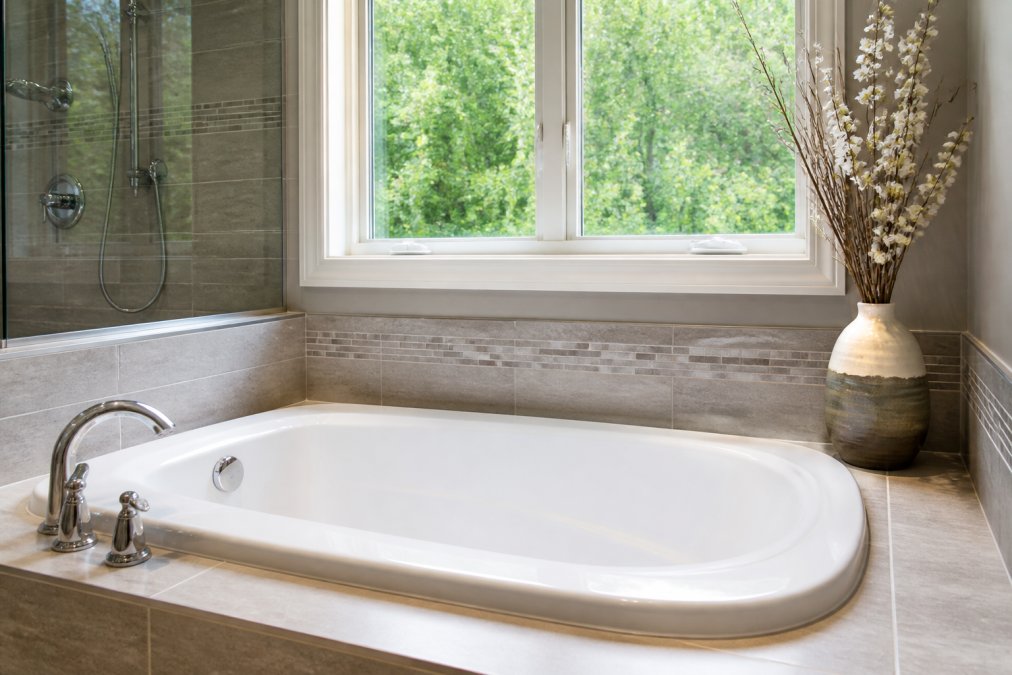
Three primary materials dominate the market, each with distinct advantages and trade-offs.
Acrylic Tubs
Acrylic remains the most popular choice for residential bathtub renovation projects. It’s lightweight, affordable, and manufactured in countless shapes and sizes. The material consists of acrylic resin reinforced with fiberglass backing, creating a durable shell that resists chipping and cracking under normal use.
Acrylic tubs warm quickly and are easy to clean with warm soapy water and a soft cloth. The non-porous surface resists mold and mildew growth better than some alternatives. The main limitation is durability over decades, acrylic can scratch and may yellow over time with heavy use and sun exposure. For a 7-10 day renovation timeline, acrylic installation moves quickly because the tub arrives pre-formed and ready for plumbing connection.
Cast Iron Tubs
Cast iron represents the premium option for homeowners prioritizing longevity and a classic aesthetic. These tubs are heavy, sometimes exceeding 300 pounds, but that weight translates to stability and exceptional heat retention; cast iron holds water temperature longer than acrylic, reducing the need to top up with hot water (peer-reviewed research).
Cast iron is virtually indestructible and maintains its finish for decades. The enamel coating provides a smooth, non-porous surface that resists bacterial growth. The trade-offs are significant: cast iron costs considerably more than acrylic, installation requires reinforced subfloor support due to weight, and chips in the enamel coating expose the iron underneath, risking rust if not promptly repaired.
Fiberglass and Other Options
Fiberglass tubs occupy the budget tier below acrylic. They’re lightweight and inexpensive but softer than acrylic and more prone to cracking, staining, and surface degradation. Soaking tubs in stone, composite, or specialty materials exist but require custom installation, carry premium pricing, and fall outside typical 7-10 day renovation windows.
For most homeowners seeking durability, ease of maintenance, and reasonable cost within a quick renovation timeline, acrylic is the practical choice. Cast iron suits those prioritizing decades of use and willing to invest more upfront. Fiberglass works only for budget-constrained projects where longevity is less critical.
Bathtub Replacement vs. Reglazing: Which Path Is Right for You
The choice between replacing your tub entirely and reglazing the existing one hinges on the tub’s current condition, your budget, and your timeline. Reglazing, also called refinishing, involves stripping the old finish and applying a new protective coating to the existing tub structure. Bathtub replacement means removing the old tub entirely and installing a new one.
When Reglazing Makes Sense
Reglazing is the faster, less disruptive option, typically taking 1-3 days. It works best when the underlying tub structure is sound, no cracks, no soft spots in the fiberglass or acrylic, and no evidence of water damage to the subfloor. If your cast iron tub has lost its shine but the enamel isn’t chipped deeply, reglazing restores it to near-original condition at a fraction of replacement cost.
Quality matters enormously. A poorly executed reglaze job fails within months, peeling or bubbling under normal use. Reglazing also makes sense when you’re attached to your tub’s shape or size and simply want it refreshed without structural work.
When Full Replacement Is the Better Choice
Replacement becomes necessary when the tub itself is compromised. Cracks in acrylic or fiberglass, soft spots indicating water infiltration, or rust stains in cast iron signal that the tub’s structural integrity is failing. If your subfloor shows water damage, soft wood, mold growth, or visible rot, the tub must come out so the damage can be assessed and repaired.
Replacement also opens design possibilities, freestanding soaking tubs, walk-in tubs for accessibility, or layout changes. From a timeline perspective, replacement takes longer, typically 4-7 days, but the result is a tub with full manufacturer warranty and years of reliable service ahead.
Before deciding, have a professional inspect your tub and subfloor. Water damage hidden beneath the tub often determines the choice for you. Bathroom Renovators includes this assessment in every consultation, identifying whether reglazing will suffice or replacement is necessary to prevent future moisture problems.
Understanding Bathtub Refinishing Cost and Budget Planning
Costs vary widely depending on material choice, scope of work, and whether hidden damage emerges during renovation.
Factors That Affect Your Final Price
Material selection is the primary cost driver. Acrylic tubs cost less than cast iron or stone alternatives. A standard acrylic alcove tub represents the entry point; premium acrylic models with jets or deeper soaking dimensions cost more.
Plumbing complexity affects labor time significantly. A straightforward swap moves quickly. Relocating plumbing lines, upgrading drain assemblies, or adding new supply lines extends the timeline and increases cost. Tile work and surround installation vary in scope, a simple caulked surround costs less than full tile installation, and material selection shifts the budget significantly.
Subfloor condition often surprises homeowners. If inspection reveals soft spots, mold, or water damage, the subfloor requires remediation before the new tub installs. This contingency work is where budgets can expand unexpectedly.
Hidden Costs and Contingency Planning
Permits and building code compliance vary by municipality. Permit costs are typically modest but add to the overall expense. Disposal of the old tub and debris adds a line item, as does fixture upgrades incorporated during renovation.
A common mistake is underestimating contingency. Building a 10-15% buffer into your budget accommodates surprises without derailing the project. Bathroom Renovators provides transparent cost estimates and discusses potential contingencies upfront.
Accepting the lowest bid without understanding what’s included often leads to scope creep and hidden charges. Ensure your estimate specifies materials, labor, permits, disposal, and warranty coverage. A detailed estimate protects both you and the contractor by setting clear expectations.
Bathroom Renovation Timeline: What to Expect
A typical bathroom renovation timeline for a bathtub project spans 7-10 days when scope is clearly defined and no major structural issues emerge.
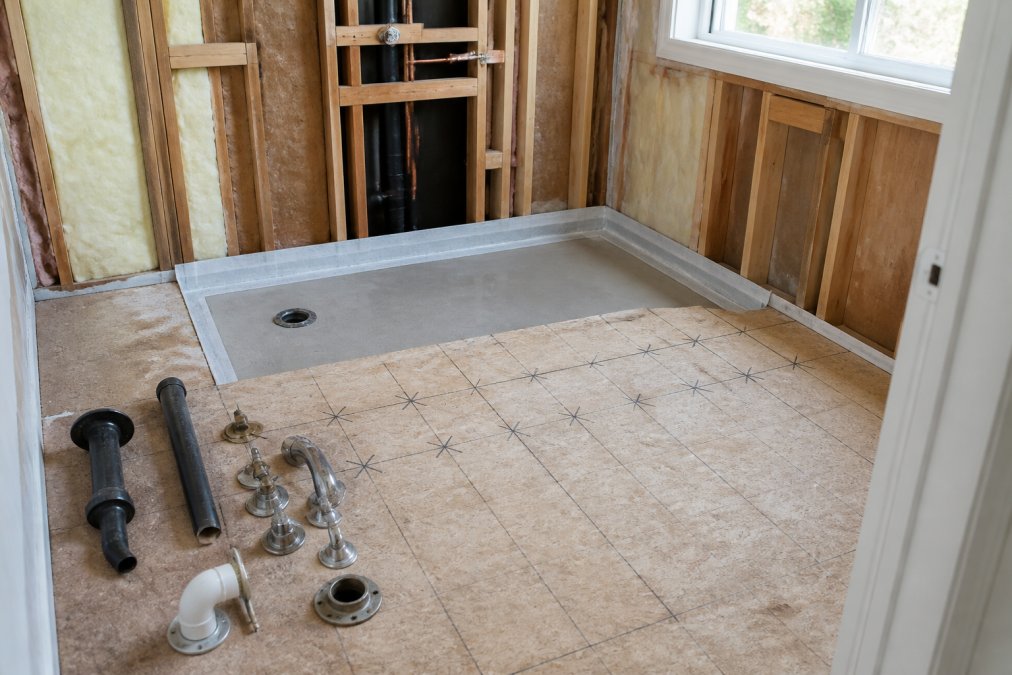
Pre-Renovation Assessment and Planning
Before work begins, a site visit and detailed inspection take place. The contractor evaluates the existing tub, checks subfloor condition, assesses plumbing layout, and identifies any structural concerns. Design decisions finalize during this phase, and permit applications are submitted if necessary. Material ordering occurs once design is locked.
The Renovation Process Week by Week
Days 1-2: Demolition and Inspection. The old tub is removed, debris is cleared, and the subfloor is fully exposed. This is when hidden damage typically surfaces.
Days 3-4: Plumbing and Structural Prep. Plumbing lines are disconnected, adjusted, or rerouted as needed. The subfloor is prepared, waterproofing is applied, and any necessary repairs are completed.
Days 5-6: Tub Installation. The new tub is positioned, secured, and connected to plumbing. The tub is tested to confirm proper drainage and water pressure.
Days 7-8: Surround and Finishing. Tile, caulking, or other surround materials are installed. Fixtures are mounted.
Days 9-10: Final Details and Cleanup. Caulking is applied, fixtures are adjusted, and the bathroom is thoroughly cleaned.
Post-Renovation Finishing Touches
Allow 24-48 hours before using the tub. Caulk and grout need time to cure fully. A walkthrough inspection confirms all work meets expectations. Bathroom Renovators backs all work with a 1-year warranty, so defects discovered after completion are covered.
DIY vs. Professional Installation: Risk Assessment
The appeal of DIY bathtub installation is obvious, save labor costs and control the timeline. The reality is more complicated. Bathtub installation involves plumbing, waterproofing, structural assessment, and code compliance. Mistakes in any area create expensive problems.
DIY risks begin with assessment. Most homeowners cannot accurately evaluate subfloor condition or identify water damage. Plumbing mistakes are costly; improper connections leak slowly, causing hidden water damage for months. Waterproofing is not optional, bathrooms require proper waterproofing around tubs to prevent water infiltration into walls and subfloors (the CDC). Tile and surround installation demands precision; improperly set tile cracks under stress, and poor caulking allows water behind the surround.
A homeowner tackling this project part-time stretches it across weeks or months, leaving your bathroom unusable during this period. Professional crews complete the work in days. Professional installation comes with workmanship warranty; if something fails, it’s the contractor’s responsibility to fix it. DIY work has no recourse.
For straightforward reglazing of a structurally sound tub, DIY is more feasible. For full replacement, professional installation is worth the cost. Bathroom Renovators completes most projects in 7-10 days, minimizing the time your bathroom is offline while ensuring work meets code and carries warranty protection.
Sustainable and Eco-Friendly Bathtub Materials
Homeowners increasingly prioritize sustainability in bathtub renovation decisions. Acrylic tubs have a lighter environmental footprint than cast iron during manufacturing due to lower weight, but acrylic is petroleum-based and not easily recycled. Cast iron is infinitely recyclable, old cast iron tubs can be melted down and reformed into new products, making it the more sustainable choice over decades.
Composite materials and solid surface tubs offer middle-ground options, sometimes manufactured with recycled content or from sustainably sourced materials. Water conservation features like low-flow faucets and showerheads decrease water consumption without sacrificing performance.
Proper installation and maintenance extend tub lifespan, reducing the need for replacement and associated waste. A well-maintained tub lasts decades. Reglazing extends life further, deferring replacement and its environmental costs. Local sourcing reduces transportation emissions.
The most sustainable bathtub is one that lasts decades and is properly maintained. Cast iron excels here due to infinite recyclability and durability. Acrylic with responsible disposal practices is acceptable. Avoid cheap options that require early replacement, as the cumulative environmental cost exceeds initial savings.
Building Codes and Permitting for Your Renovation
Bathroom renovations are subject to building codes and, in many cases, permit requirements. The National Building Code of Canada (NBC) sets baseline standards that provinces and municipalities adopt and sometimes exceed (nrc.canada.ca). Your local authority having jurisdiction (AHJ) determines which codes apply to your project.
Building codes address plumbing, electrical, ventilation, and accessibility in bathrooms. Plumbing code requirements specify drain sizing, slope, and venting. Ventilation standards require exhaust fans or operable windows to control moisture. Accessibility codes increasingly require grab bars, accessible tub heights, or walk-in tub options.
Permit requirements vary by municipality. Some require permits for any bathroom work; others only for structural changes or plumbing modifications. Permits involve inspection at key stages, after demolition, after rough-in plumbing, and after final installation. The permit process adds 1-2 weeks to the timeline but is essential. Unpermitted work can affect home insurance claims and resale value.
Bathroom Renovators handles permit applications and coordinates inspections, ensuring your renovation meets all applicable codes.
A bathtub renovation transforms your bathroom from a purely functional space into a sanctuary where your day begins and ends. The material you choose, the scope of work, and the timeline all shape the outcome. Quick, reliable renovation minimizes disruption while ensuring lasting quality.
Bathroom Renovators has completed hundreds of renovations across the region in 7-10 days, delivering results that hold up to moisture exposure and daily use. We spec materials suited to local climate conditions, handle permitting and code compliance, and back every project with a 1-year warranty. Get your free consultation to assess your space, discuss options, and understand your timeline and investment. Your bathroom refresh is closer than you think.
Frequently Asked Questions
Q: How long does a professional bathtub renovation take?
A: Most bathtub renovations are completed in 7-10 days, depending on the scope of work. A simple reglazing project may take 2-3 days, while a full bathtub replacement with plumbing upgrades and tile work typically spans 7-10 days. The timeline depends on whether you’re replacing the tub, upgrading fixtures, addressing subfloor damage, or just refinishing the existing surface. A detailed assessment upfront helps confirm your project’s realistic schedule.
Q: What’s the difference between bathtub replacement and reglazing?
A: Reglazing (refinishing) refreshes the existing tub surface by stripping, repairing, and applying a new protective coating. It’s faster and less invasive, typically taking 2-3 days. Replacement removes the old tub entirely and installs a new one, addressing structural issues, updating the style, and allowing fixture upgrades. Replacement takes longer (7-10 days) but offers a completely new bathtub, better waterproofing, and the chance to change the layout or install accessibility features like walk-in tubs or grab bars.
Q: What factors affect bathtub refinishing cost?
A: Cost depends on the tub’s current condition, the extent of repairs needed, material choice (acrylic vs. cast iron), fixture upgrades, tile or surround work, plumbing modifications, and whether subfloor damage requires attention. Labour costs vary based on project complexity and local rates. Building permit requirements and any hidden damage discovered during demolition can also affect the final price. Contact a professional for a free quote tailored to your specific situation and needs.
Q: Can I update my bathtub without replacing it?
A: Yes. Reglazing or refinishing restores a worn tub’s appearance and function without full replacement. This works well if the tub structure is sound and you mainly want a fresh look. You can also add upgrades like new fixtures, caulking, waterproofing improvements, or a surround system without removing the tub. However, if the tub has deep cracks, persistent leaks, or structural damage, replacement is the safer long-term option.
This article was written using GrandRanker
